In 2017, National Vietnam War Veterans Day was established to commemorate the day the last U.S. combat troops departed Vietnam: March 29, 1973. Today I look back on my homecoming, knowing fortune smiled on me.
In the Spring of 1971, one simple idea obsessed me: getting home from Vietnam. For nearly a year I had lived with the uncertainty that came with being a soldier in the war. But I was a short timer now. The end of my service seemed real. I could almost taste being “back in the world.”
That was a ubiquitous expression for the men and women who served in Vietnam. Back in the world represented where we all wanted to be. It was home in the richest, warmest, safest sense that our hearts and minds could conjure. Back in the world was the allusion we used to stay whole and sane during the most maddening moments in the war. Back in the world was everything that Vietnam, the military, was not. We dreamt about it, bragged about it, longed for it. And every one of us hoped we’d be lucky enough to achieve it, all the while knowing there was a statistical reality we might not.
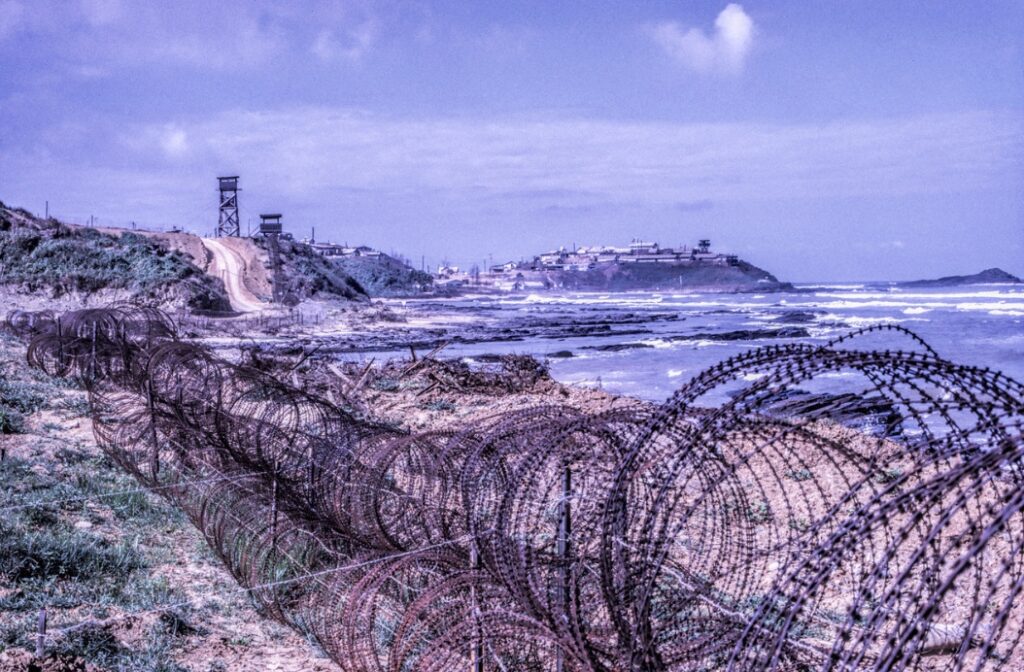
Chu Lai, the busy and boisterous base that was my home away from home in Vietnam, was as foreign to me as any place on earth could possibly be. It had an overactive fixed wing and helicopter airbase, a Swift Boat pier, miles of barbed-wire seacoast, and a hilly network of red-clay dirt roads that would turn muddy during the monsoons, and chokingly dusty during the dry season.
Chu Lai was definitely not the world. Nor were the hundreds of artillery firebases, remote helicopter LZ’s (landing zones), rural hamlets and the like where thousands of other American servicemen and women counted the months, weeks, days and hours until their return home. These were strange, harsh, and dangerous places which we endured in the service of our country for a cause not all of us understood, nor were certain was worth the risk.
In Vietnam, we never wondered when the war would end; when it would be “won.” We only looked forward to our time to leave. When my early discharge got approved soldiers were rotating home faster than new ones arrived. Everyone was counting down—and not in the healthiest ways. Some guys smoked weed nonstop. Others drank more than they should. But even sober, we all watched the calendar anticipating the moment we’d step aboard the Freedom Bird and sky back to the world.
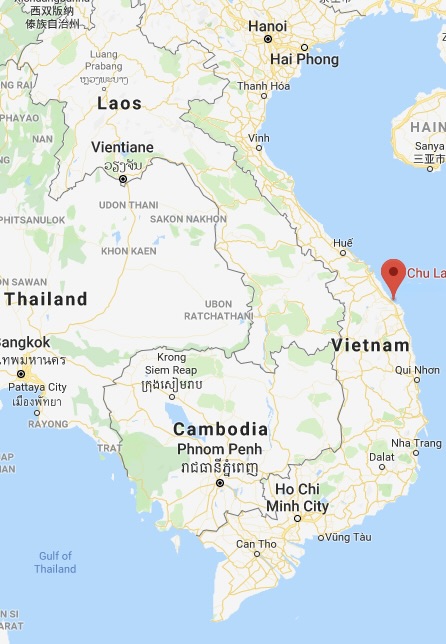
My arrival in Vietnam, seemingly an eternity earlier, had begun with a grim near miss: sheer luck kept me from boarding a plane that later crashed, killing 46 GIs. Only weeks before I learned of my impending DEROS (date estimated return from overseas), one of my division’s remote outposts was hit by a commando sneak attack which turned out to be the last major enemy offensive against a US base. And my final field assignment as a US Army combat correspondent was covering a desperate incursion against the North Vietnamese Army at the Laotian Border where I flew reconnaissance and MEDEVAC missions with dead soldiers literally at my feet.
For months in Chu Lai I had kept thoughts of the future at arm’s length. In Vietnam you learned not to think too far ahead. But with an exit date signed off on in writing, the idea that I might actually survive the war—and leave Vietnam physically unscathed—began to creep back in.
Yet, as the days before my departure ticked away, the war still had a way of reminding me that nothing was guaranteed. On assignment to photograph a bombing run, one of our aircraft’s engines failed. It was a tense moment. Would we have to ditch in the jungle? What surprised me most was my immediate thoughts weren’t of dying in a crash. Instead, I only worried about missing my flight home.
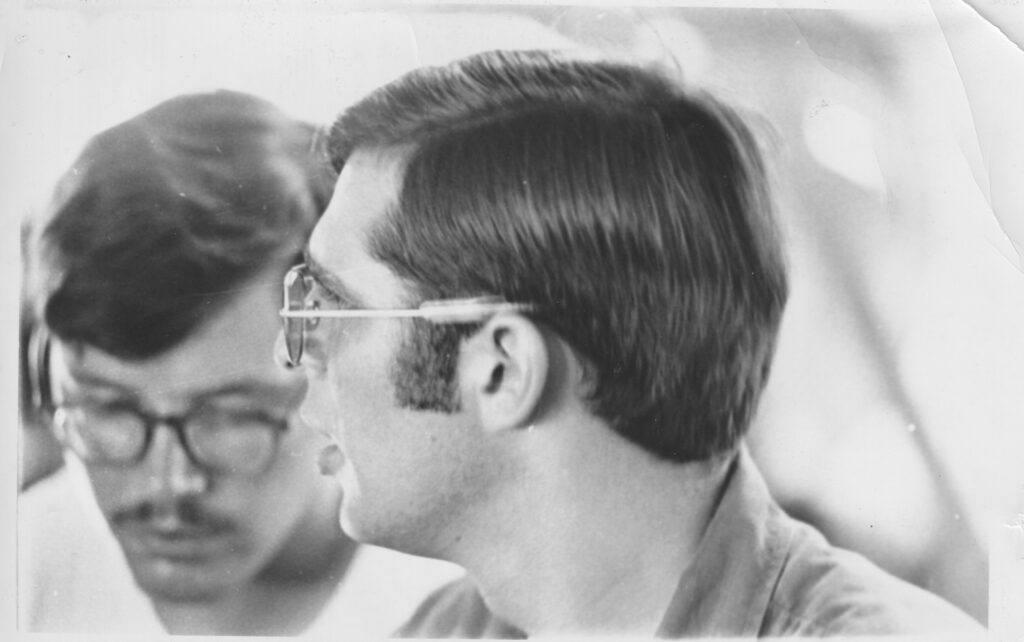
Like many veterans, I quietly tucked the experience of Vietnam to the background after I left. I rarely spoke about the war. I focused instead on finishing school, building a career and raising a family with Natalie—the proverbial girlfriend I had left behind.
But the war never disappeared entirely. It remains part of who I am, shaping the way I understand the world and myself. Vietnam was where I witnessed my life taking place in the present tense for the first time. It’s where I grew up; where I left behind the misjudgments of my youth and put my future on track.
Looking back now, on all the holidays when we revere our military veterans–or any random day, in fact—I shudder with relief, realizing how fortunate I am. Hundreds of thousands of young Americans went to Vietnam with the same hope I had—to survive their tour and return home safely.
Not all of them did.
I was one of the lucky ones.
I made it back to the world.